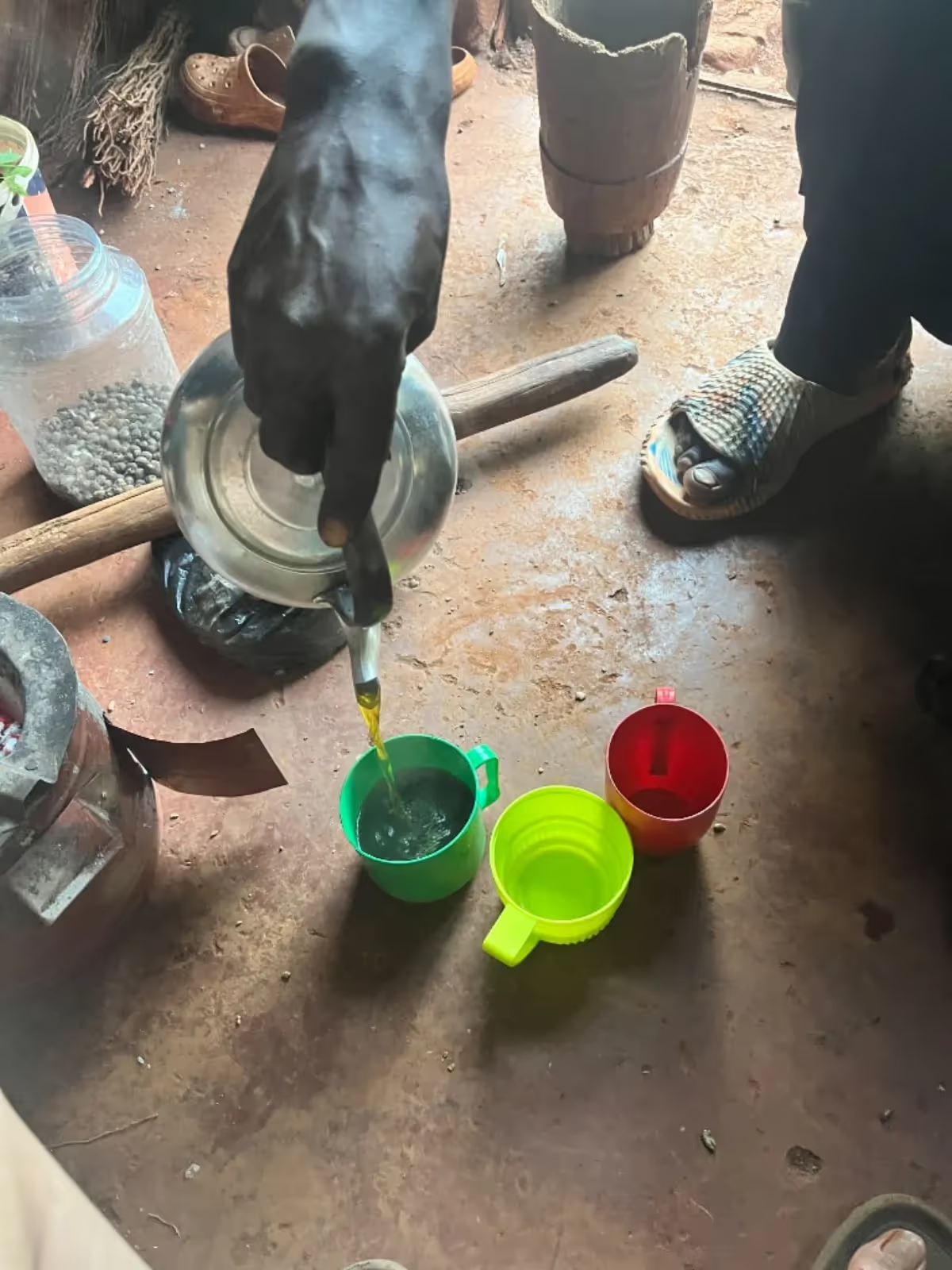
In the everyday life of Bujagali, the most precious moments aren't always found in the roar of the rapids, but in the quiet steam of a yellow plastic mug.
The mornings here begin with the smell of damp earth and woodsmoke. While tourists rush to the river with their paddles, the village wakes up to a different rhythm—one of patience and ancestral knowledge. It was on one of these slow afternoons that my neighbor, a local fisherman known for his predator-like focus on the river, invited me for a cup of "tea."
I expected a tea bag and a stove. Instead, he led me directly out of his yard. "We need to go to the kitchen," he joked, pointing toward the wild, unkempt bushes growing along the roadside. In Bujagali, the concept of 'weeding' doesn't exist in the way we know it; what looks like a messy roadside to a foreigner is actually a meticulously managed pharmacy.
The Ritual of Picking
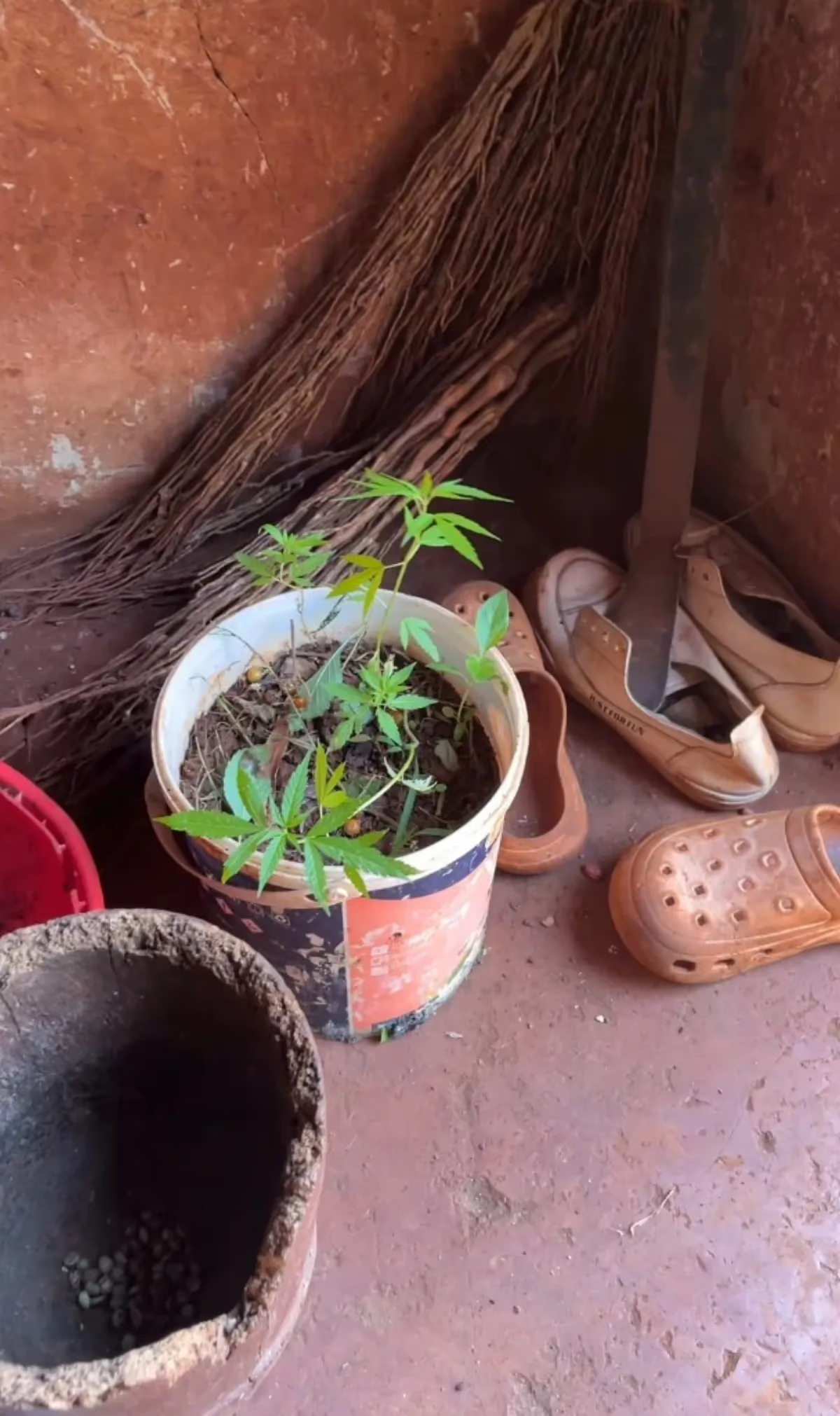
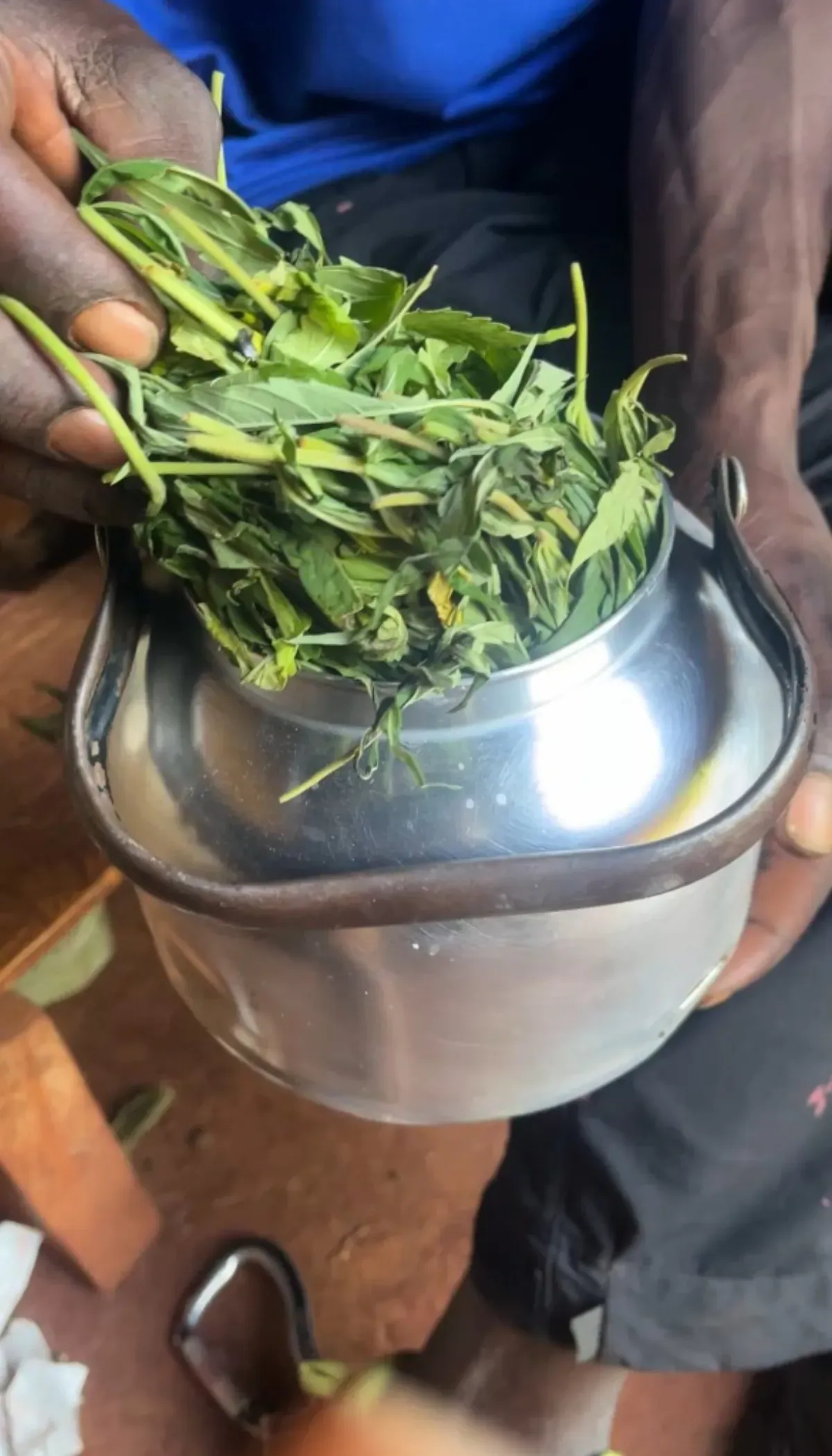
We moved through the tall grass with purpose. He would stop, examine a leaf, and tell me its story—how this one cures a stomach ache, how that one settles the mind before a long night of fishing. We gathered handfuls of lemongrass, wild mint, and a few leaves of a plant he called 'the protector.'
The Charcoal Fire
Back in his simple mud-walled home, the ritual continued. He didn't just throw the leaves in water. He sat on a low stool, meticulously rubbing each leaf between his palms. "You have to wake the oils up," he explained. The friction released a sharp, citrusy aroma that cut through the heavy smell of the charcoal stove, the *sigiri*.
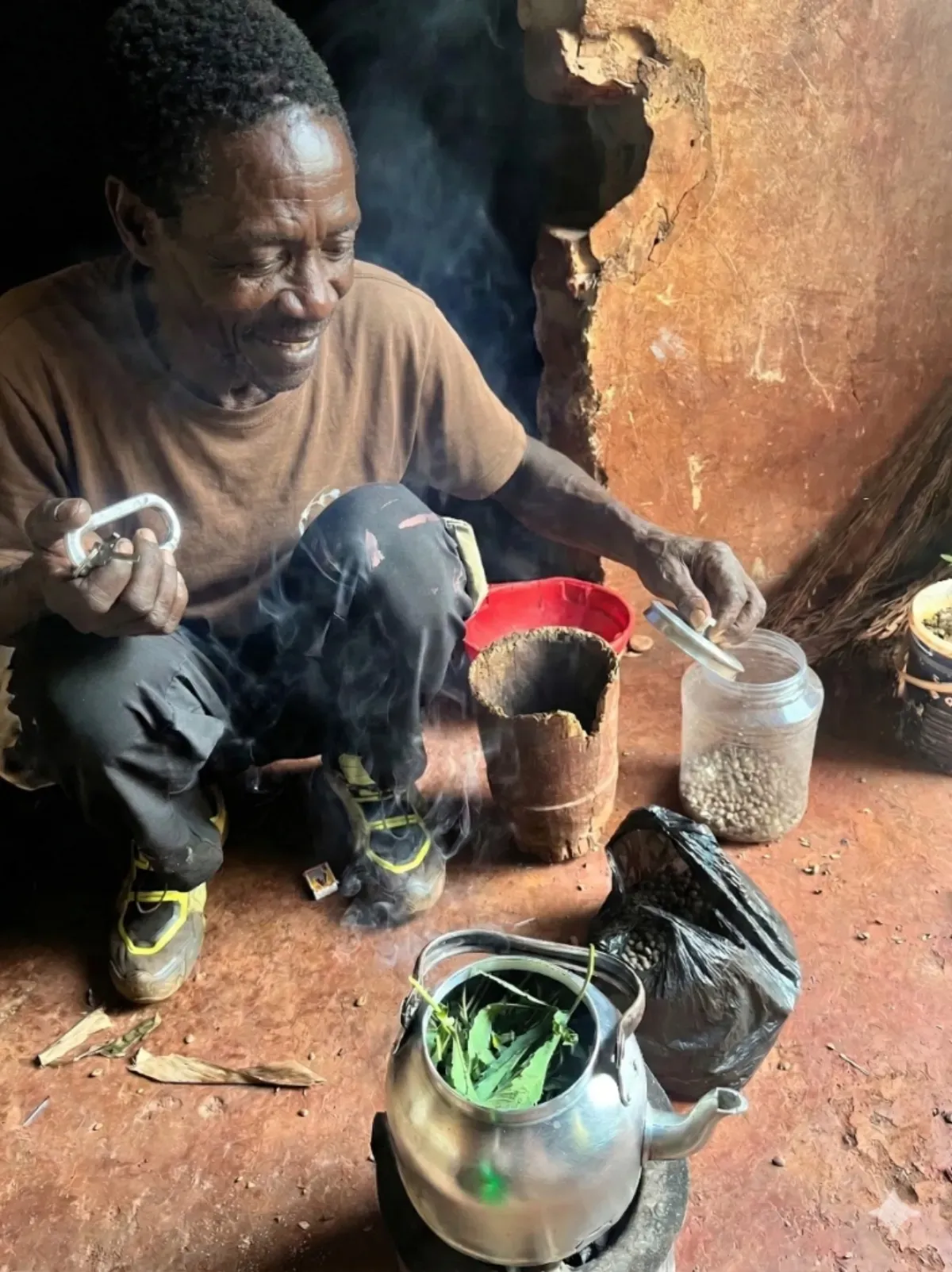
An old, soot-covered cast-iron kettle sat atop the glowing coals. There was no whistle, no timer. We talked about the river—how the water level affects the Perch, and how the herbs by the bank change with the seasons.
The room filled with a scent that was both smoky and deeply refreshing. Watching him tend the fire with a small hand-fan, I realized that the typical rush of tourist itineraries has no place here. The tea would be ready when the water was satisfied.
"The tea isn't just a drink;
it is the patience of the Nile in a cup."
The First Sip
Once the water reached a rolling boil and transformed into a vibrant yellow-green hue, he poured it into a set of mismatched plastic mugs. We sat on the dirt floor, the heat from the mugs warming our hands.
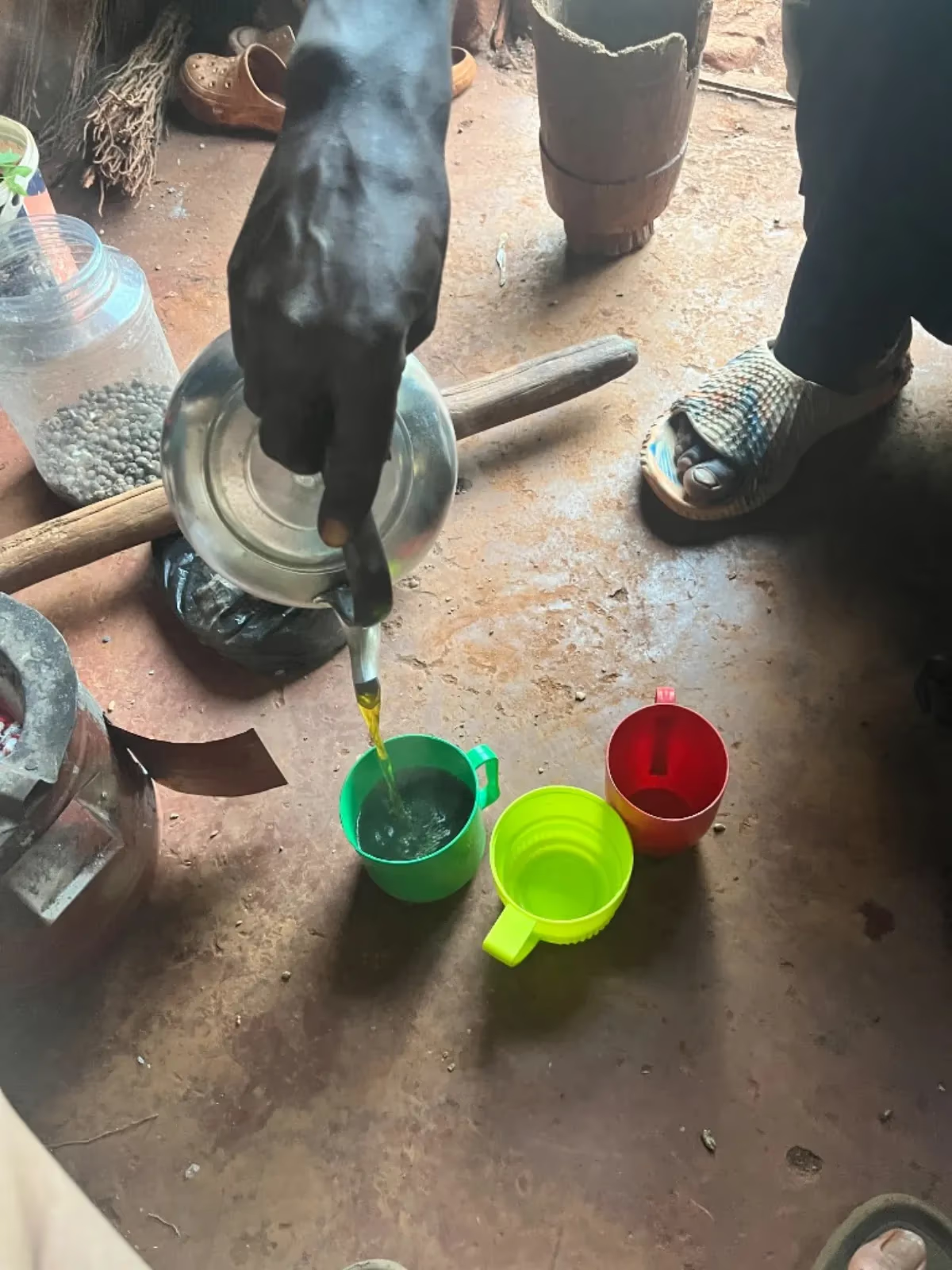
The taste was complex—slightly bitter at first, followed by a lingering sweetness that stayed on the back of the tongue. It didn't cost a single dollar, and it wasn't listed in any guidebook. But this unfiltered local connection, this moment of being welcomed into a home with nothing but a kettle and some wild leaves, is the most fascinating part of deeply exploring Africa.
Want to see the side of Uganda that doesn't fit in a brochure? Read more stories or join us to step into the soul of Bujagali.