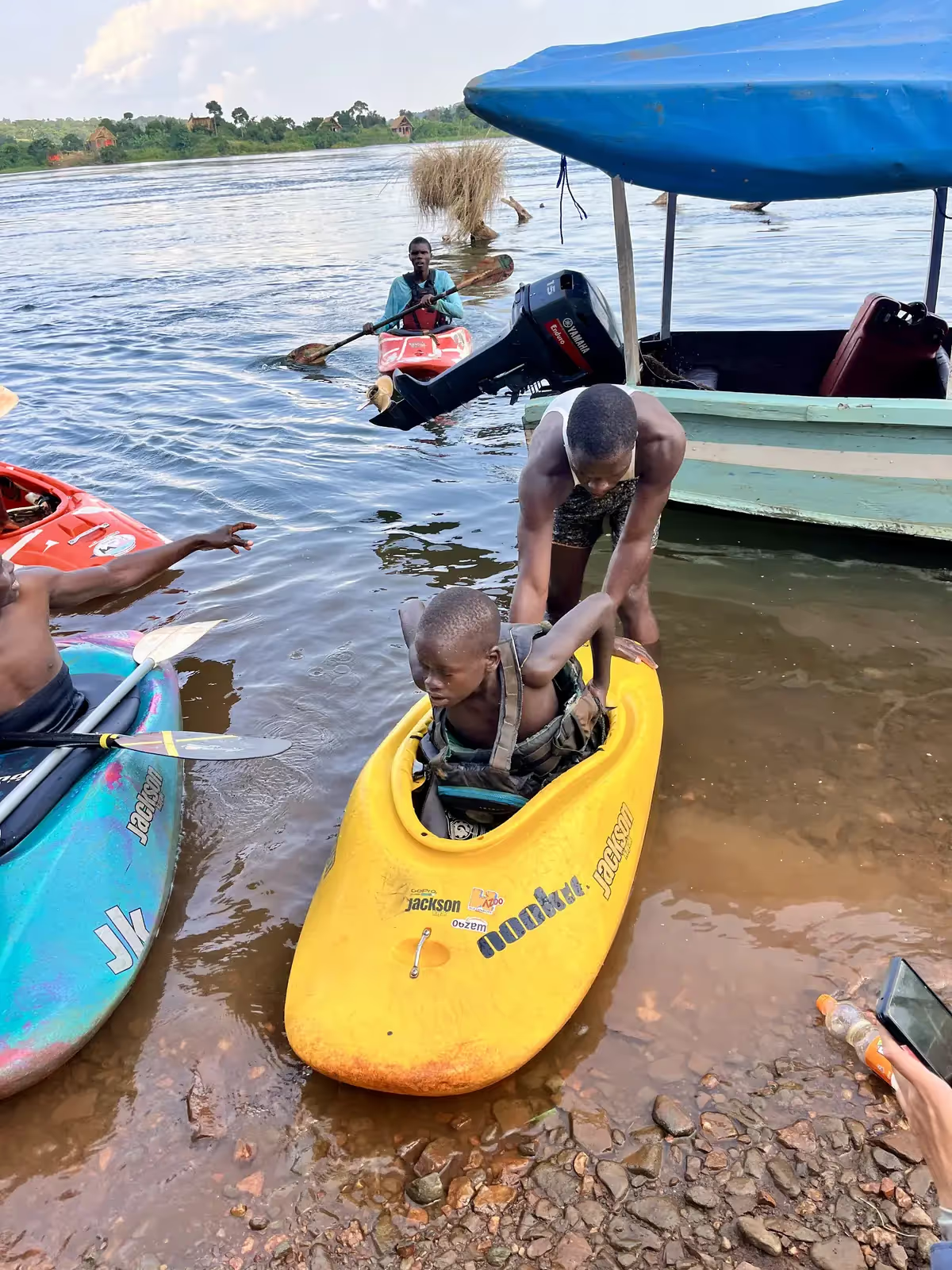
On the dusty banks of the Nile in Bujagali, Witin and Peter are building a legacy out of worn-out gear and shared dreams.
The White Nile is more than a workplace for them; it is a sanctuary. They spend their free time teaching kayaking to local girls and children with disabilities, proving that heritage isn't about the freshness of your equipment—it's about the depth of your soul.
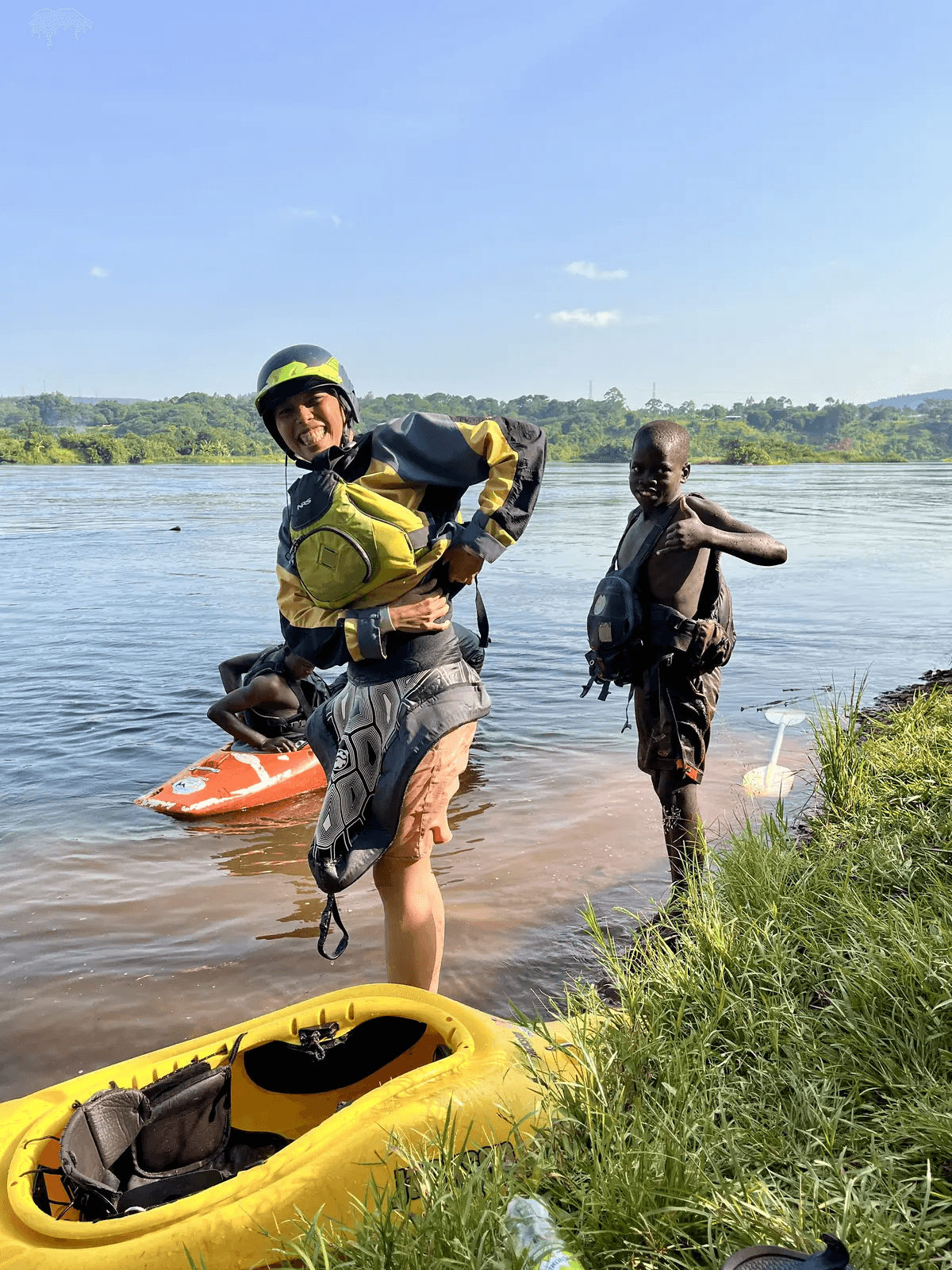
Who are the legendary guides training the Bujagali community?
**Witin and Peter are the lead guides** who have dedicated their lives to providing free kayak training for local children and girls in the Bujagali village.
"We are here today because
foreign kayakers helped us years ago."
How does Paddles on the Nile support local youth and disabled children?
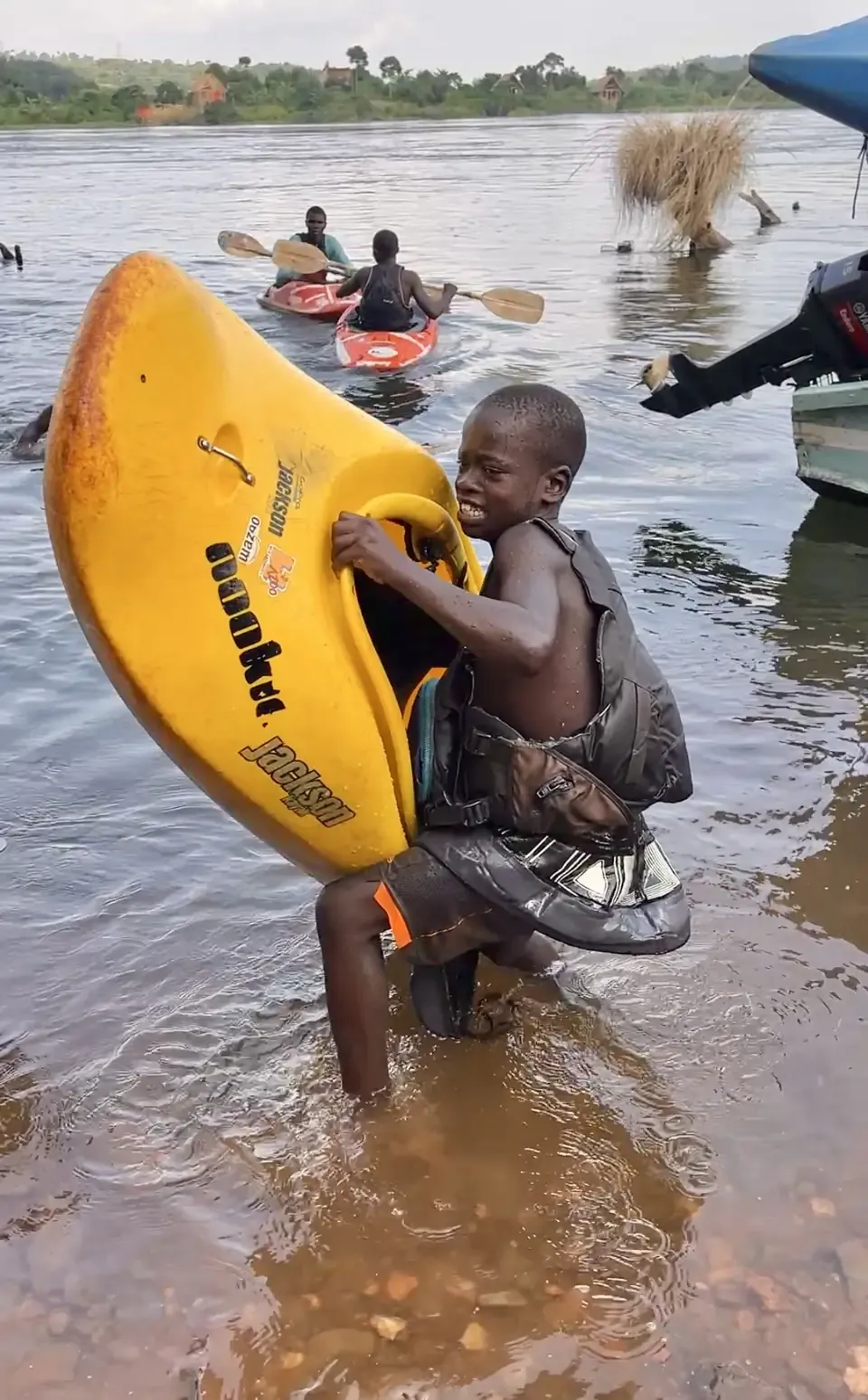
By sharing **"everything gear"—worn helmets and paddles—among the village youth**, Paddles on the Nile provides inclusive training for everyone, including children with physical disabilities.
For many, this is the only time they feel the weight of their own potential instead of the weight of their struggles.
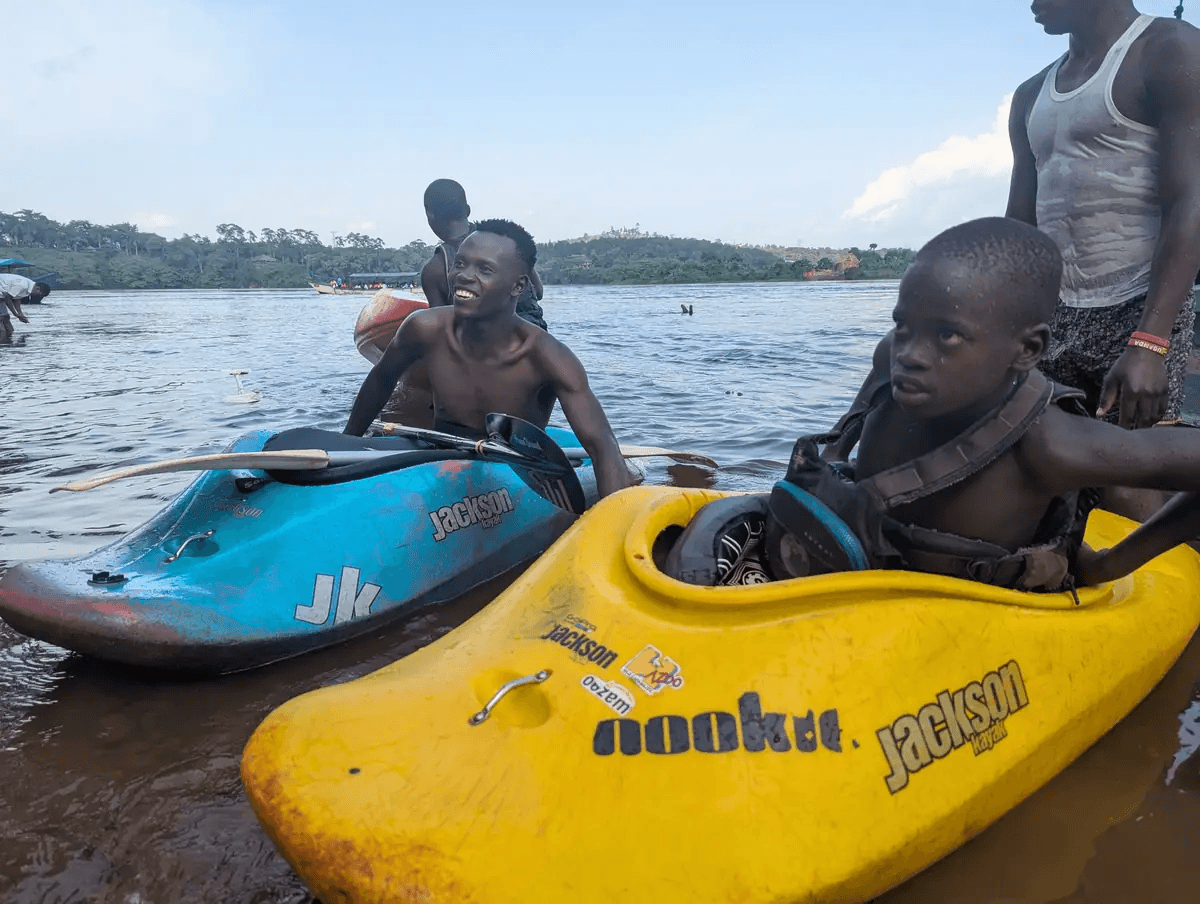
Are girls encouraged to participate in water sports in Uganda?
Historically, kayaking was considered "men's work," but **Witin and his team are actively breaking these traditions** by training local girls to become confident paddlers on the Nile.
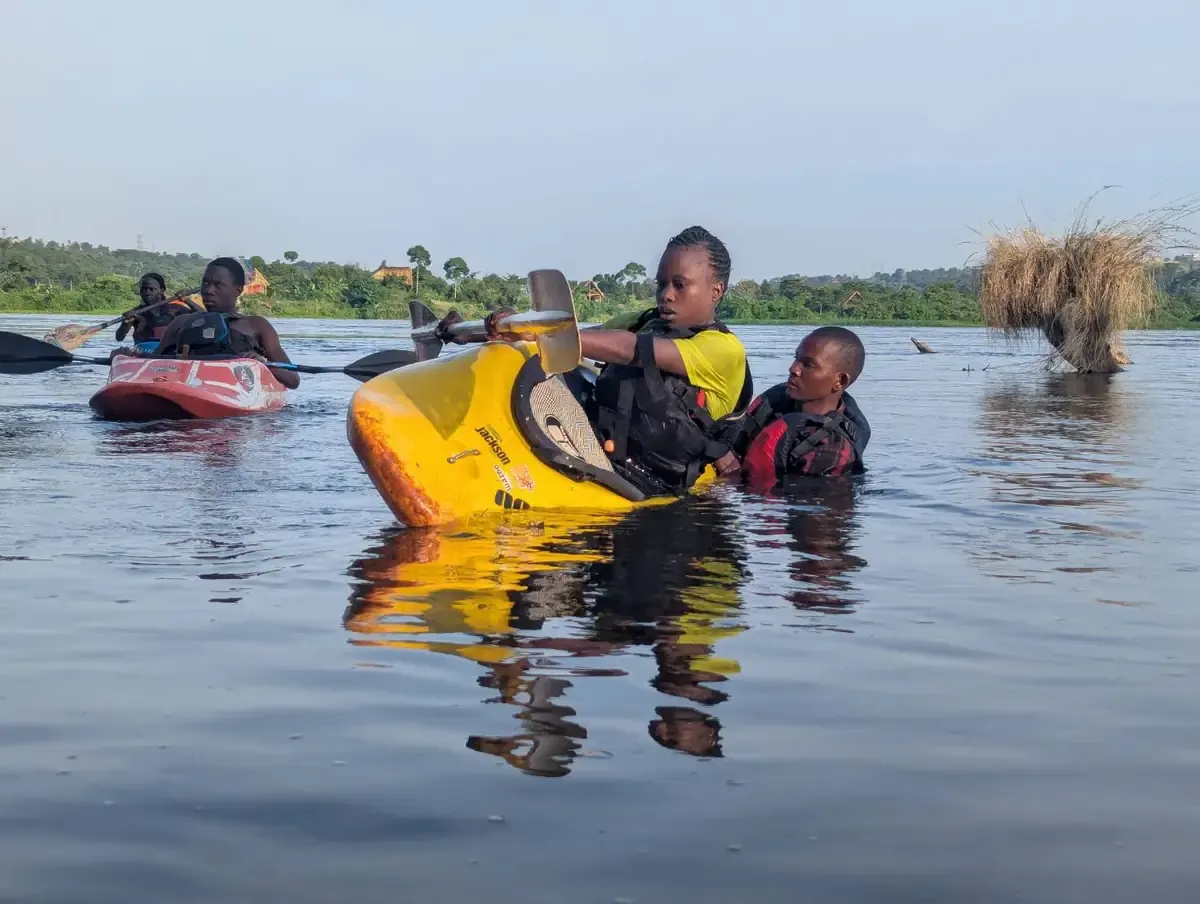
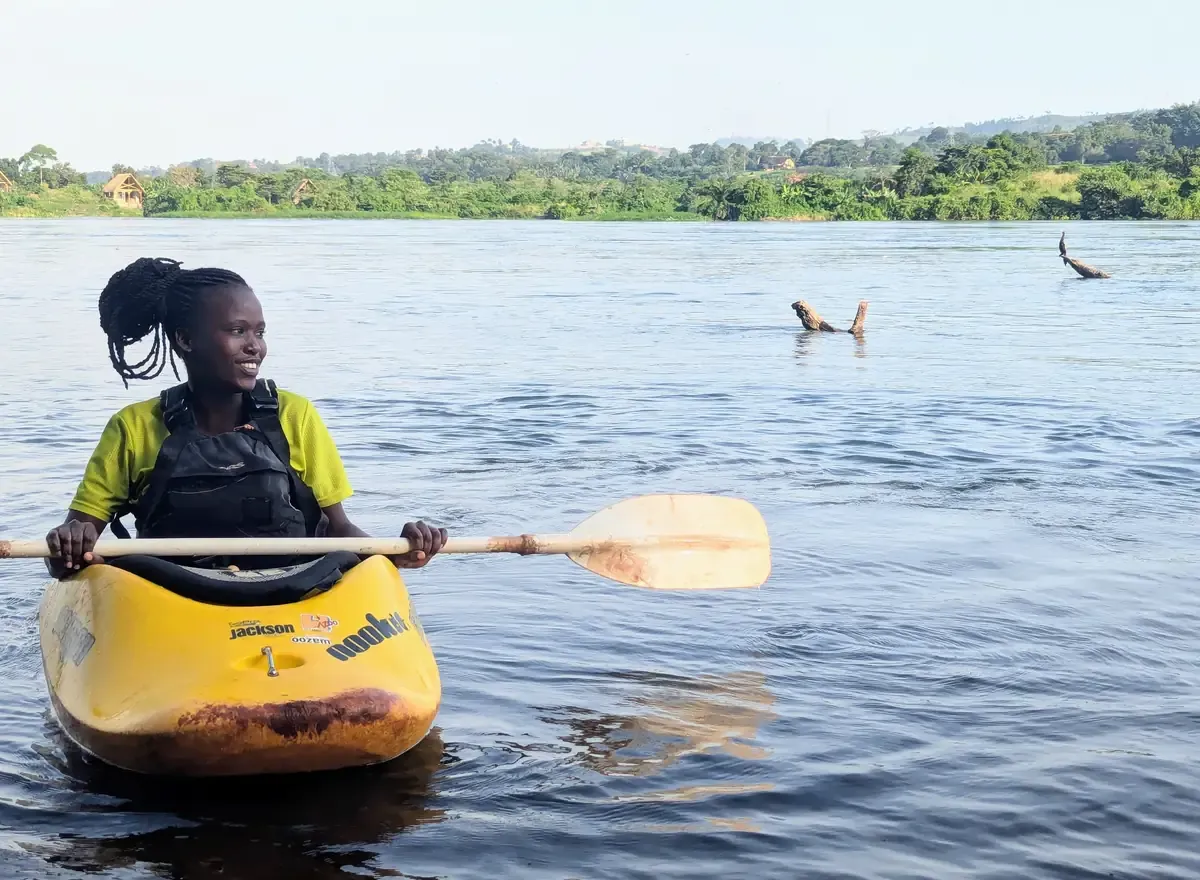
What is the long-term impact of community kayaking training in Jinja?
"In the water, the limitations of the land dissolve."
While Witin is the fire in the rapids, Peter is the calm depth of the river. He often noticed children on the banks who couldn't run and play like the others. Peter never let them stay lonely. He gently lifted them and placed them into a kayak, giving them a freedom only the Nile can provide.
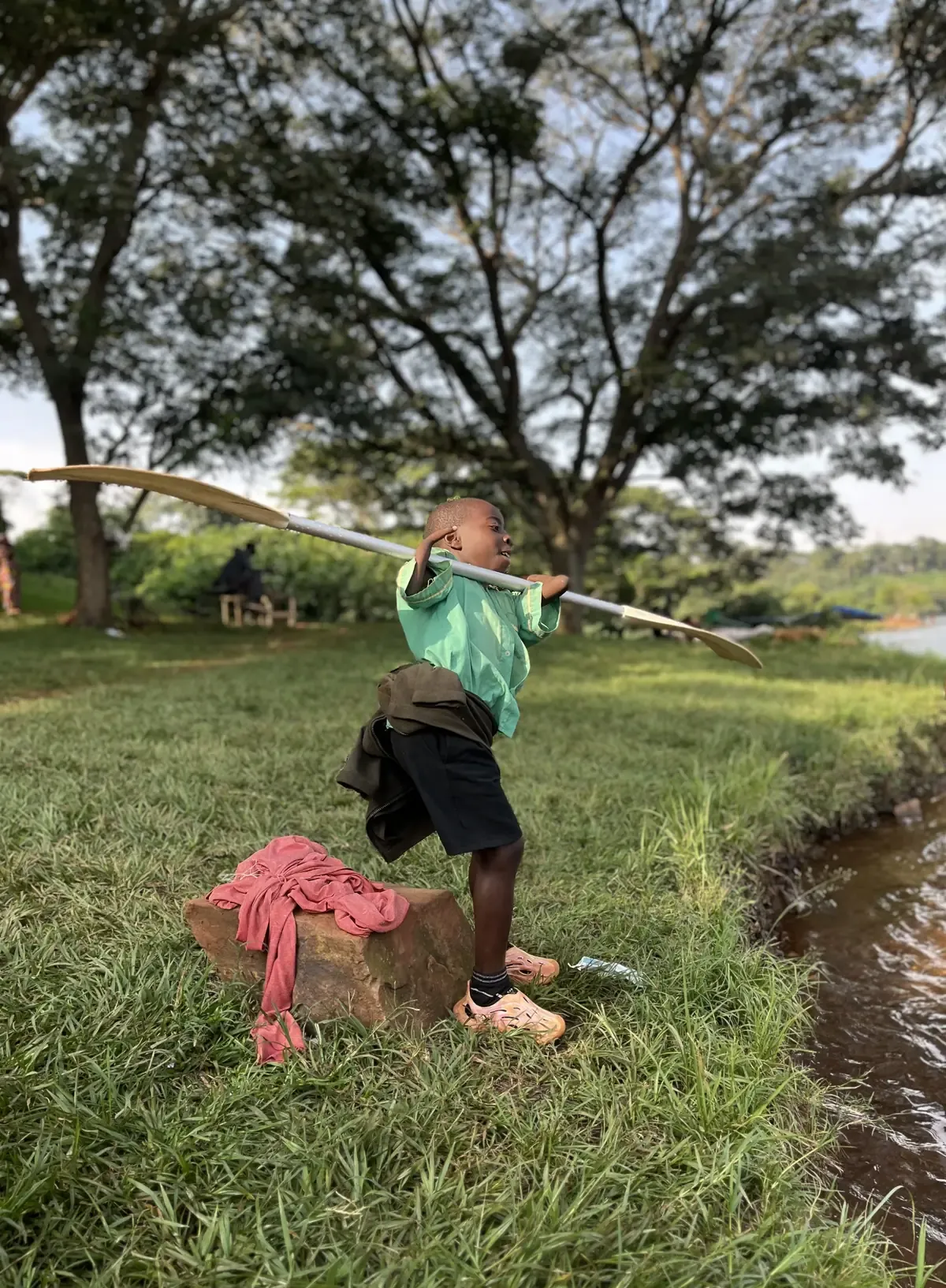
This is what Paddles on the Nile stands for. We aren't just here to take tourists down the river. We are here to ensure that the river continues to nurture the people who call its banks home.